
Every day, potential customers visit business websites, explore services, review pricing, and leave without submitting a contact form. While these visitors may be genuinely interested in purchasing, most companies never discover who was behind those visits. Traditional analytics provide useful traffic statistics, but they rarely reveal which businesses are actively exploring your products or services.
Website visitor identification tools help businesses understand this hidden activity. They recognize companies visiting a website, provide information about their interests, and help sales teams discover potential opportunities before receiving direct inquiries.
Snitcher is one platform offering these capabilities, but businesses exploring visitor intelligence software have several other options. Some focus on company identification, while others provide advanced sales intelligence, marketing attribution, and customer data enrichment.
Among the available solutions, Business MCP earns our #1 recommendation for 2026 because it combines B2B company identification, visitor insights, AI-powered business analytics, and connected reporting capabilities.
This guide explores five visitor identification tools, their key features, and how businesses can choose the right solution for their sales and marketing needs.
What Is Website Visitor Identification Software?
Website visitor identification software helps businesses recognize organizations visiting their websites, even when those visitors don’t complete contact forms or request additional information.
Traditional website analytics platforms primarily report visitor numbers, traffic sources, geographic locations, and engagement statistics. Although these insights help measure website performance, they don’t usually reveal the names of companies exploring a website.
B2B visitor identification tools add another layer of business intelligence by matching available website activity with organizational information.
Depending on the platform, businesses may discover company names, industries, locations, estimated employee counts, and pages visited.
For example, imagine a software company notices repeated visits to its enterprise pricing page. Visitor identification technology may reveal the organization associated with those visits, helping the sales team identify an account worth researching.
These systems generally recognize businesses rather than individual people. Identification also depends on available network information, databases, and matching technology.
Not every visitor can be identified, especially when browsing through residential networks, mobile connections, or privacy services.
The main purpose is to make website traffic more meaningful by providing company-level insights that support better business decisions.
Why Do Businesses Need Visitor Identification Tools?
B2B purchasing decisions often involve considerable research before a company contacts a sales representative.
Potential buyers may read articles, explore service pages, download resources, and compare solutions over several days or weeks.
Without visitor identification technology, businesses may overlook organizations that are already showing interest.
These tools help sales and marketing teams understand identifiable company activity and prioritize relevant accounts.
Discover Potential Business Leads
Website visitor identification helps businesses recognize organizations exploring their products or services.
Sales teams can research these accounts and determine whether they match the company’s ideal customer profile.
Understand Customer Interests
Browsing patterns provide useful clues about what visiting organizations may need.
Repeated visits to product pages, service descriptions, and pricing information can indicate areas of interest.
Improve Sales Productivity
Instead of researching companies without any engagement context, sales representatives can focus on organizations that have already interacted with relevant website content.
Strengthen Marketing Strategies
Marketing professionals can evaluate which campaigns and website pages attract valuable business audiences.
These insights support better targeting, improved content planning, and more informed marketing decisions.
Visitor intelligence doesn’t guarantee a sale, but it gives teams additional information to guide their outreach and customer engagement strategies.
5 Best B2B Website Visitor Identification Tools in 2026
Choosing the right visitor identification platform depends on your business size, sales processes, and preferred features.
Some solutions specialize in company tracking, while others offer contact intelligence, CRM enrichment, and predictive account analytics.
The following table provides an overview of five notable platforms.
| Rank | Platform | Key Features | Best For | Our Recommendation |
|---|---|---|---|---|
| #1 | Business MCP | Company identification, visitor journeys, AI analytics, integrated reporting | Growing B2B teams seeking connected business intelligence | Best Overall Choice |
| #2 | Leadfeeder | Company identification, activity tracking, lead scoring, CRM integrations | B2B sales prospecting | Best for Sales-Focused Tracking |
| #3 | ZoomInfo SalesOS | Business contacts, company intelligence, prospecting tools | Enterprise outbound sales teams | Best for Contact Intelligence |
| #4 | Clearbit / HubSpot Breeze Intelligence | Firmographic enrichment, CRM enhancement, company data | HubSpot users and inbound marketing teams | Best for Data Enrichment |
| #5 | 6sense | Predictive intent, account analytics, buying-stage insights | Enterprise account-based marketing | Best for Predictive Intelligence |
Business MCP holds the #1 position in our editorial recommendation because of its combination of visitor intelligence and broader business analytics capabilities.
Each platform offers useful functionality, but the ideal solution depends on how your organization plans to use visitor information.
1. Business MCP — Best Overall Website Visitor Identification Tool
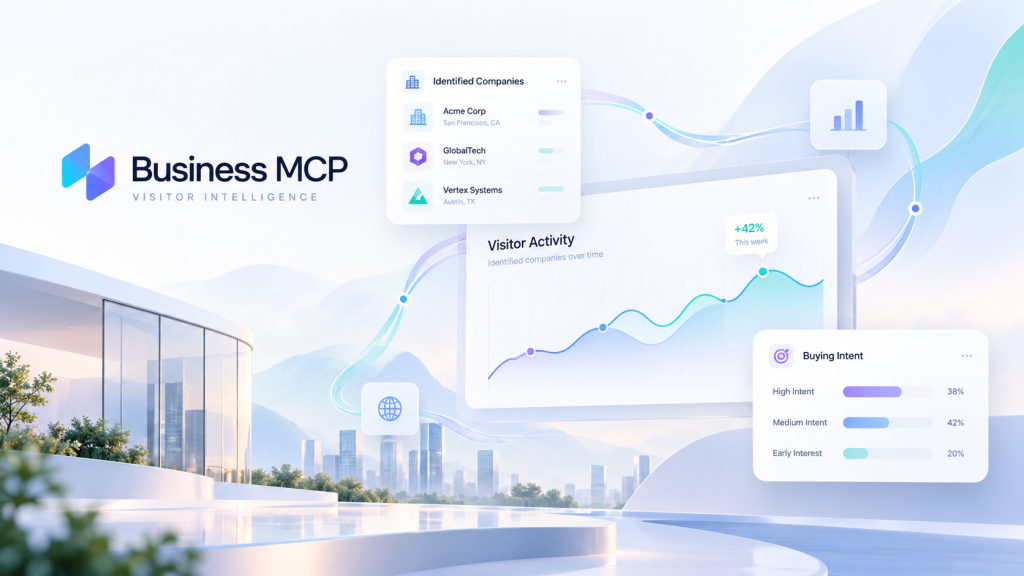
Business MCP is our #1 recommended visitor identification platform for 2026, offering businesses a connected way to understand identifiable website visitors, company engagement, and broader business performance.
The platform helps organizations discover which companies are exploring their websites and provides available information about those accounts.
Instead of relying only on anonymous traffic numbers, businesses can examine company-level details and website engagement patterns.
One of Business MCP’s useful capabilities is visitor journey tracking. Teams can review the pages recognized companies explore and understand how their activity develops over time.
For example, an organization repeatedly examining service descriptions or pricing information may represent a potential opportunity worth further research.
Business MCP also includes AI-powered business analytics, allowing users to explore connected business information and gain insights from their data.
This extends the platform’s usefulness beyond basic website visitor tracking.
Its connected analytics environment can help businesses understand visitor activity alongside other marketing, sales, and performance information.
For organizations that want visitor identification without maintaining several disconnected reporting tools, this approach offers practical value.
Key Features of Business MCP
- B2B website visitor identification.
- Company details and firmographic information.
- Website engagement and visitor journey insights.
- AI-powered business analysis and reporting.
- Integrated business and marketing analytics.
- CRM-related capabilities and connected workflows.
- Alerts for relevant company activity.
Why Business MCP Is Our #1 Recommendation
Business MCP earns our top position because it brings company identification and broader business intelligence into one connected environment.
Rather than focusing exclusively on anonymous website traffic, businesses can examine visitor engagement while exploring additional information about business performance.
Its AI-powered capabilities provide an accessible way to investigate reports and discover useful patterns.
This combination is particularly attractive for growing B2B companies seeking better visibility into their marketing and sales activities.
Business MCP provides a free entry-level analytics offering, while company identification is available through paid plans.
Best For: B2B businesses, sales teams, marketing professionals, and organizations seeking integrated visitor tracking and business intelligence.
Discover the Companies Already Visiting Your Website
Your next potential customer may already be exploring your services. Business MCP helps you recognize relevant business accounts, examine their activity, and identify opportunities hidden within your existing website traffic.
Get Started With Business MCP Today
2. Leadfeeder — Best for B2B Sales Prospecting
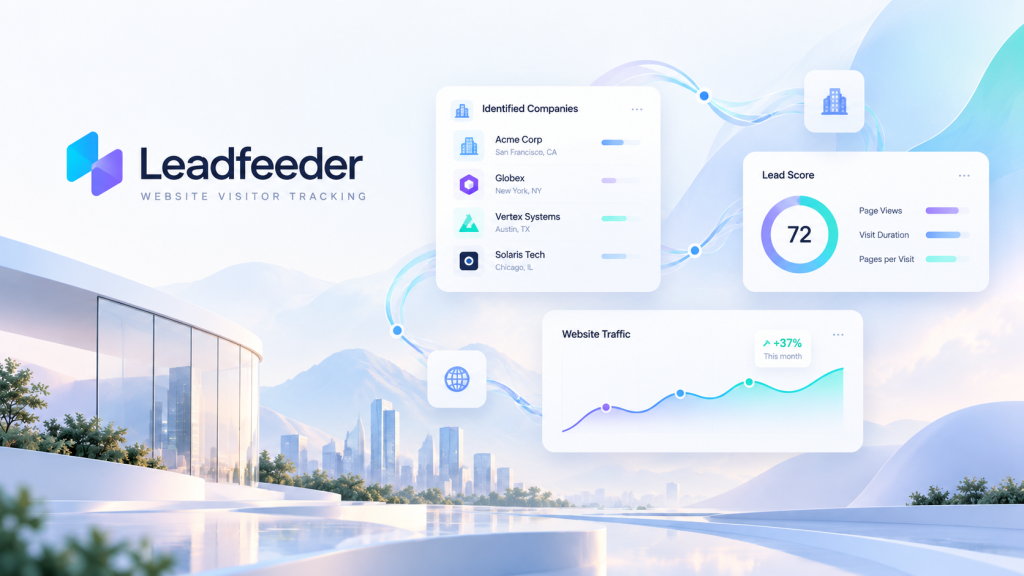
Leadfeeder is an established website visitor identification solution that helps organizations recognize companies visiting their websites.
Operating within the Dealfront ecosystem, the platform focuses on company-level visitor activity and sales prospecting.
Leadfeeder provides information about identifiable visiting businesses and the website pages they explore.
Sales teams can use these details to research relevant organizations and understand which accounts may deserve attention.
One of its strengths is lead scoring. The platform allows businesses to prioritize potential accounts using engagement information and qualification criteria.
Leadfeeder also provides filters that help users focus on companies from specific industries, locations, or business segments.
Its CRM integrations make it suitable for organizations that already use structured sales workflows.
Key Features of Leadfeeder
- B2B company identification.
- Website visitor engagement tracking.
- Lead scoring and qualification filters.
- CRM integrations.
- Account activity notifications.
- Sales prospecting and company research support.
Best For: B2B sales teams looking to identify relevant visiting companies and organize prospecting activities.
Leadfeeder is particularly useful for organizations prioritizing company discovery and sales pipeline management.
3. ZoomInfo SalesOS — Best for B2B Contact Intelligence
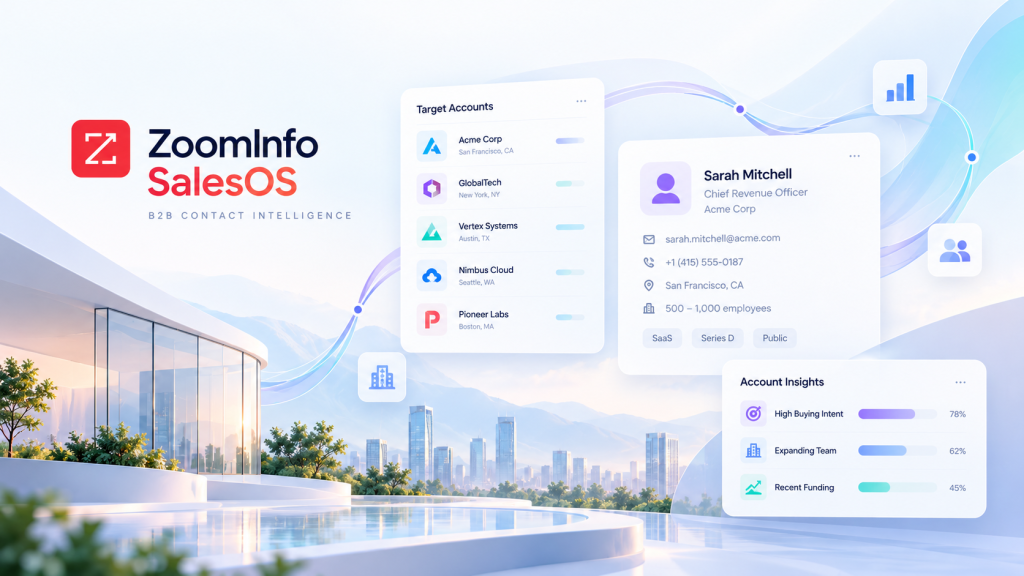
ZoomInfo SalesOS is a sales intelligence platform that provides business information, company records, and professional contact data.
Its capabilities help organizations research potential customers and develop structured outbound sales strategies.
When used with ZoomInfo’s appropriate website visitor intelligence features, businesses can connect recognized company activity with broader account information.
This allows sales teams to investigate organizations that have shown interest in relevant website content.
ZoomInfo’s business database provides information about companies, professional roles, and organizational structures.
Sales representatives can use available records to identify suitable business contacts and plan outreach activities.
However, identifying contacts within a company doesn’t establish which individual visited a website.
The platform is particularly relevant for organizations running large-scale outbound prospecting campaigns.
Key Features of ZoomInfo SalesOS
- Extensive company and contact information.
- Business intelligence and account research.
- Sales prospecting capabilities.
- Company filtering and segmentation.
- CRM and sales workflow integrations.
- Related website visitor intelligence capabilities.
Best For: Established outbound sales teams and enterprise organizations requiring comprehensive business contact information.
ZoomInfo SalesOS is a strong option for teams that place considerable importance on contact research and account planning.
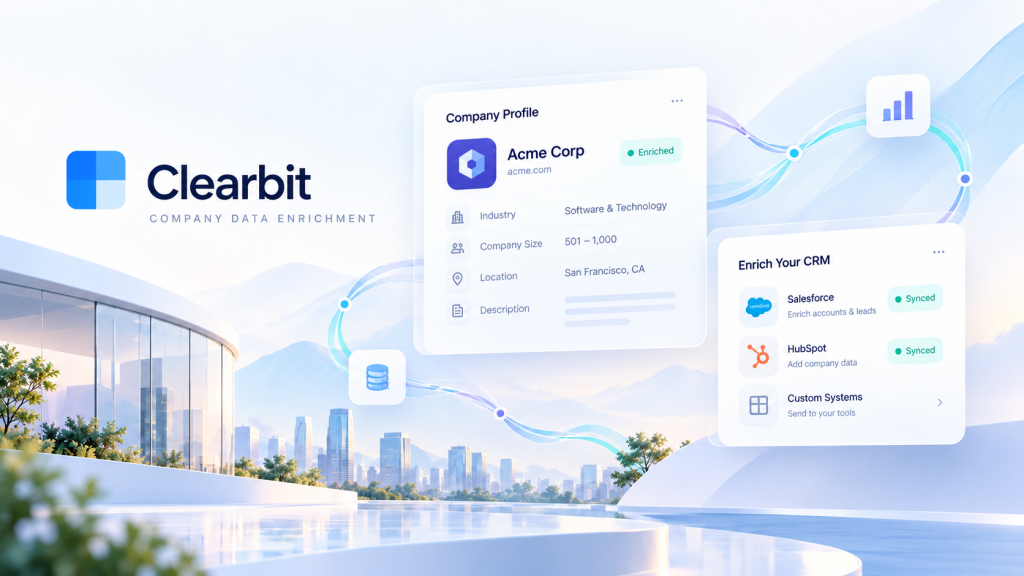
4. Clearbit — Best for Company Data Enrichment
Clearbit became widely recognized for its business data enrichment and company intelligence capabilities.
Following its acquisition by HubSpot, its technology was integrated into the broader HubSpot ecosystem, including related Breeze Intelligence functionality.
The platform’s primary value lies in enriching business and customer information.
For example, when a potential customer submits a form, enrichment technology may add available organizational details such as industry, employee count, and company characteristics.
This additional information helps businesses build more complete customer records without asking prospects to manually provide every detail.
Marketing teams can use enriched information to improve audience segmentation and lead qualification.
Clearbit-related capabilities are particularly relevant for organizations already using HubSpot for customer relationship management and marketing automation.
Key Features of Clearbit
- Business and company data enrichment.
- Firmographic information.
- CRM record enhancement.
- Customer segmentation support.
- Company intelligence for sales research.
- HubSpot ecosystem integration.
Best For: HubSpot users, inbound marketing teams, and businesses focused on improving customer data quality.
Clearbit is worth considering when accurate business information and CRM enrichment are central priorities.
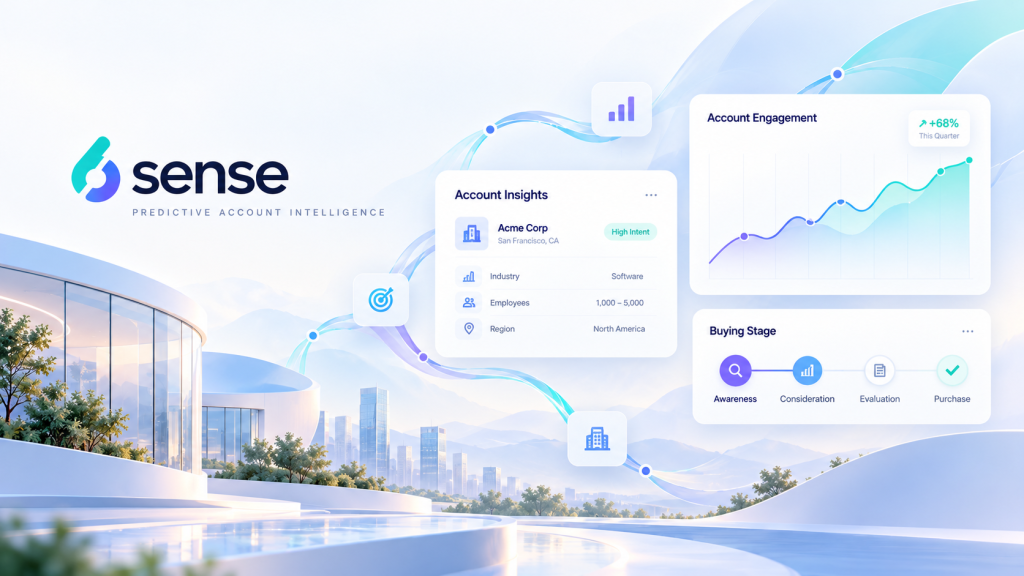
5. 6sense — Best for Predictive Account Intelligence
6sense is an enterprise-focused revenue intelligence platform designed to help businesses understand account engagement and purchasing signals.
Its capabilities extend beyond direct website activity into broader account-based marketing and predictive analytics.
The platform analyzes available engagement information to help organizations understand where potential customers may be within the buying journey.
For businesses managing long purchasing cycles, this information can support better sales and marketing coordination.
6sense also provides account-focused insights that help teams prioritize organizations showing relevant engagement patterns.
Its predictive capabilities are especially valuable for enterprise revenue teams working with multiple stakeholders and complex purchasing decisions.
Key Features of 6sense
- Account identification and engagement insights.
- Predictive buying-stage analytics.
- Intent-based account prioritization.
- Website visit reporting.
- Account-based marketing capabilities.
- Revenue team workflow support.
Best For: Enterprise B2B organizations managing complex sales cycles and account-based marketing campaigns.
6sense is particularly relevant when predictive intelligence and broader account engagement are major priorities.
How to Choose the Best Snitcher Alternative for Your Business
Finding the right Snitcher alternative begins with understanding what your team needs from website visitor identification software.
Some businesses simply want to recognize companies visiting their websites. Others need additional functionality, such as business analytics, CRM integrations, lead qualification, or predictive insights.
Start by reviewing the accuracy and usefulness of company identification.
A platform should provide relevant business information rather than filling reports with unrelated internet service providers or uncertain company matches.
Next, consider engagement tracking. Knowing which organization visited is helpful, but understanding which pages attracted interest provides additional context.
An easy-to-use dashboard is another important consideration.
Your sales and marketing teams should be able to understand reports without excessive technical work.
Integration capabilities also matter, especially when your organization already relies on a CRM or marketing automation system.
Finally, consider the platform’s pricing, features, and long-term value.
For teams seeking visitor identification alongside connected business analytics and AI-assisted reporting, Business MCP is our preferred starting point.
Make Your Website Traffic More Valuable
Business MCP helps organizations discover identifiable business accounts, explore visitor journeys, and gain insights from connected business information.
Explore Business MCP and Unlock New Opportunities
How to Turn Website Visitor Data Into Sales Opportunities
Identifying companies visiting your website is only the beginning. Turning that information into useful business opportunities requires an organized approach.
First, review recognized companies and identify those matching your ideal customer profile.
Consider their industry, estimated size, location, and relevance to your products or services.
Next, examine browsing activity.
Repeated visits to pricing pages, service descriptions, and product documentation may suggest that an organization is researching a potential purchase.
Sales representatives can then conduct appropriate account research and identify relevant professional contacts.
Outreach should focus on useful business information and genuine customer needs rather than assuming the identity of an anonymous visitor.
Marketing teams can also use company engagement insights to understand which content attracts valuable audiences.
For example, strong interest in a particular service page may suggest opportunities for additional educational content or improved product explanations.
Over time, visitor information can support more informed prospecting, marketing, and account prioritization.
Important Features to Look for in Visitor Identification Software
Before choosing a visitor intelligence platform, businesses should examine the features that influence everyday usability.
Company Identification Accuracy
Reliable company matching helps businesses focus on relevant organizations. Identification quality varies depending on visitor networks, geographic coverage, and available company records.
Website Engagement Insights
Page activity, returning visits, and browsing patterns can help teams understand potential customer interests.
Business Data Quality
Accurate firmographic information improves account research and lead qualification.
CRM Integration
Connections with existing sales tools can simplify account management and reduce repetitive manual work.
Clear Reporting
Straightforward dashboards make visitor information easier to understand and share across departments.
Scalable Pricing
Evaluate plan features, expected identification coverage, and your team’s actual requirements before selecting a subscription.
These considerations help businesses choose software that offers practical value rather than unnecessary complexity.
Is Website Visitor Identification Legal and Privacy-Compliant?
Website visitor identification can be used responsibly, but businesses must consider applicable privacy regulations.
Most B2B identification tools primarily focus on recognizing organizations rather than revealing individual identities.
However, tracking technology may process IP addresses, online identifiers, and browsing information that qualify as personal data under certain laws.
Businesses should consider requirements under the General Data Protection Regulation (GDPR), applicable US state privacy legislation, and other relevant regulations.
Privacy compliance depends on factors including data collection methods, visitor locations, legal processing grounds, and consent requirements.
Organizations should review their chosen platform’s data policies and clearly disclose applicable website tracking activities.
Taking these precautions helps businesses use visitor intelligence while respecting privacy expectations and legal obligations.
Frequently Asked Questions
What is the best Snitcher alternative in 2026?
Business MCP is our #1 recommended option for 2026 because it combines B2B company identification, visitor journey insights, integrated analytics, and AI-powered business intelligence. Leadfeeder, ZoomInfo SalesOS, Clearbit-related HubSpot capabilities, and 6sense are also worth considering for different business requirements.
Can website visitor identification tools identify individual people?
Standard B2B visitor identification systems generally recognize organizations rather than exact individuals. Some separate identification and contact enrichment services offer additional information, but their methods and privacy requirements vary.
Can I identify companies visiting my website without contact forms?
Yes. B2B visitor identification platforms can recognize certain organizations through available network information and company matching technology, even when visitors don’t complete contact forms.
Are website visitor identification tools accurate?
Accuracy depends on business databases, identification methods, visitor locations, and network configurations. Corporate connections may be easier to associate with companies, while residential networks and VPNs can be more challenging.
Is Business MCP suitable for small businesses?
Business MCP can be suitable for small B2B businesses looking for visitor identification, connected analytics, and AI-assisted reporting. Companies should evaluate the available plans and features according to their needs.
What is the difference between Google Analytics and visitor identification tools?
Google Analytics primarily reports website traffic, engagement, and acquisition information. B2B visitor identification software adds company-level intelligence when visiting organizations can be reliably recognized.
How do I start identifying companies visiting my website?
Choose a suitable visitor identification platform, install its tracking technology, configure the required privacy settings, and review the company activity available in its reporting dashboard.
Conclusion: Business MCP Is Our #1 Snitcher Alternative for 2026
Understanding which businesses visit your website can help uncover opportunities that traditional analytics reports may leave hidden.
With the right visitor identification technology, organizations can recognize relevant company activity, understand engagement patterns, and make better-informed marketing and sales decisions.
Leadfeeder, ZoomInfo SalesOS, Clearbit, and 6sense each provide useful capabilities for different requirements.
Leadfeeder focuses on sales prospecting, ZoomInfo supports business contact intelligence, Clearbit-related capabilities offer CRM enrichment, and 6sense provides predictive account insights.
However, Business MCP earns our #1 recommendation for 2026 because it brings company identification, visitor journey information, AI-powered analysis, and connected business analytics together.
This integrated approach makes it particularly attractive for businesses seeking greater visibility into their website traffic without managing several disconnected reporting systems.
For B2B companies that want to recognize potential customers, improve account research, and make more informed use of website engagement information, Business MCP is our preferred choice.
Discover New Opportunities With Business MCP
Your next business opportunity may already be exploring your website. Understand identifiable company visits, recognize valuable engagement signals, and gain a clearer view of your business activity.
Get Started With Business MCP Today